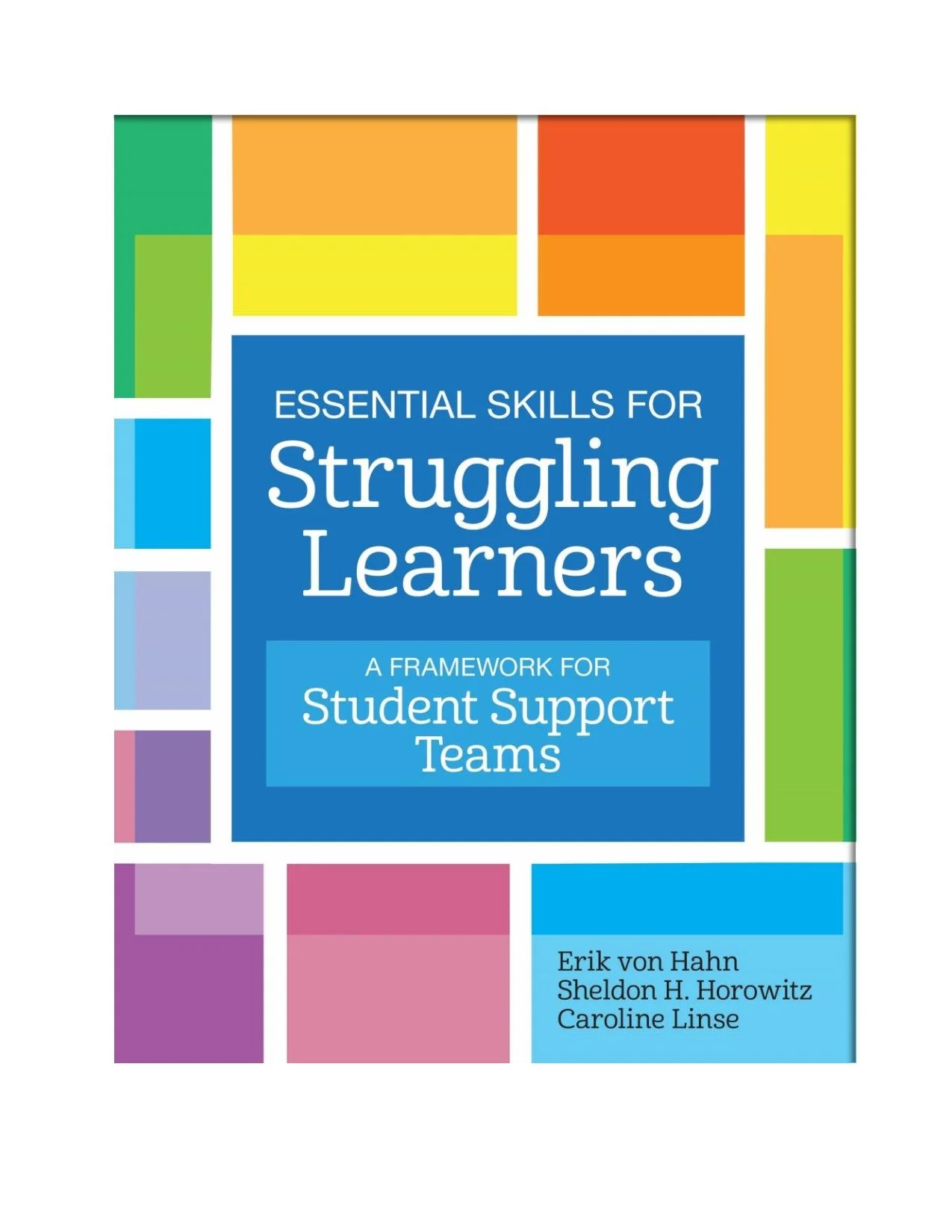
Essential skills for Learning
What are Essential skills for Learning?
This website is about the Essential Skills that all children and youth need to master, so that they can learn successfully at school.
who is this website for?
This website is inspired by and designed for children and youth with disabilities. It will help you pinpoint the Essential Skills your child with a disability is struggling to master. This website is focused on the following disability categories:
ADHD
Autism
Language impairment
Refusal / Disruptive behaviors
Anxiety
Learning Disability - Reading, Writing, and Math
Intellectual Disability
Neurological impairment: Vision, Hearing, and Motor impairments
Attachment and traumata
Superior intelligence with co-occurring disability (twice exceptional)
How does this website work?
Step 1: Identify your child’s primary disability. The disability will usually be identified by a health care professional or by your child’s school team. If your child has not yet undergone any sort of evaluation, look at the list above and choose the disability that seems to fit your child the best. If your child has more than one type of disability, start with the one that you think is the most important.
Step 2. Read the pages that correspond to your child’s disability catgory. Click on the disability category that you think best captures your child’s learning difficulties. Each disability category is associated with Essential skills that may be missing or under-developed in your child. It’s those Essential skills that help explain why your child is struggling. Find out which of the Essential Skills is missing or under-developed in your child.
Step 3. Communicate with outhers about what you learned. Communicate with people who can help. Share what you’ve learned by speaking with your child’s classroom teacher, your child’s educational team, or your child’s health care providers. You can use your knowledge of Essential skills to help craft a special education program at school, and a therapeutic program outside of school. You can ask:
How is my child doing in this Essential Skill?
Is this the Essential Skill that explains my child’s difficulties? Or, do you think it’s another skill?
How are you going to help my child make progress in this skill?
Step 4: Make good decisions about what’s good for your child. Make sure that your child is learning to master the Essential Skills presented in this website. By mastering Essential skills, your child will be able to participate more fully at school, at home, and in the community. At times, your child may not be able to master Essential skills. That’s important to know also- In those cases, you’ll can consider what types of accommodations will help your child function at their highest level.
Why are essential skills important?
Essential skills are just what they say: Essential.
Essential for learning. Essential Skills are essential for your child’s learning success. As defined in this website, Essential Skills are typically mastered before your child reaches middle school. The absence or limited development of the skills discussed in this website often help to explain why your child is struggling to learn.
Essential for communication and planning. Essential Skills are essential for communication between you and your child, and the professionals involved in your child’s care. All of your child’s educational and clinical providers need to know about Essential Skills. If you don’t all agree about the Essential Skills that are missing or under-developed in your child, it will be harder to identify remediation strategies.
Essential for progress monitoring. Essential Skills are essential for progress monitoring. When you have agreement about the Essential Skills that your child is struggling to master, you can also start to track their progress.
Abilities or skills?
Sometimes, your child might not fully master all of the Essential Skills outlined in this website. There can be more than one reason for this. Focus on the skills that your child can master. When your child cannot master Essential Skills, they can still develop their abilities.
Abilities are those skills that are possible with the right supports. For example, some children might not be able to speak, but they may develop the ability to use a visual communication system. Some children may not be able to walk, but they may be able to develop the ability to walk with a cane, walk with a walker, or move about in a wheelchair. Still other children may not be able to focus their attention successfully, but can focus successfully when provided support using a medication. All of these accommodations can be used to help your child become more able. Abilities can support your child’s independence.
BEGIN YOUR JOURNEY
Are you ready to begin your journey? Click on the page with the disability category that you think matches your child the best. You’ll find the links at the top of this page. Read about the Essential skills that are related to your child’s disability category. The skills that you identify should be the biggest barriers to your child’s success.
Share what you’ve with your child’s classroom teacher, special education team, or health care providers. All of them can help you identify what’s getting in your child’s way— and can help you to promote and strengthen your child’s Essential Skills for Learning.
If you want to know more about neurodiversity and the terms that we use in this website, click on the button below.